Oct 20, 2026•7 min read
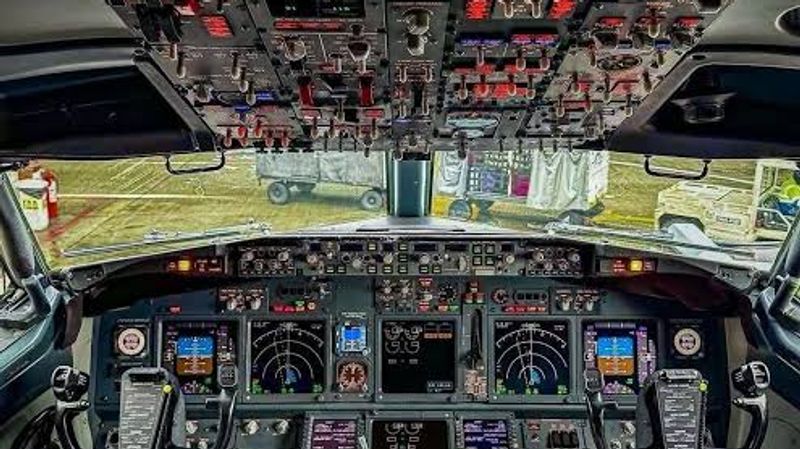
Boeing 737 Flows: Why They Work and How to Learn Them Fast
Why 737 flows follow the panel, not importance, why they hold up under stress and how type-rating students can drill them properly before the sim.
In-depth automotive journalism, performance testing, and road test reports covering Aviation.
Showing 30 articles in this category
Explore Other Topics
Why 737 flows follow the panel, not importance, why they hold up under stress and how type-rating students can drill them properly before the sim.
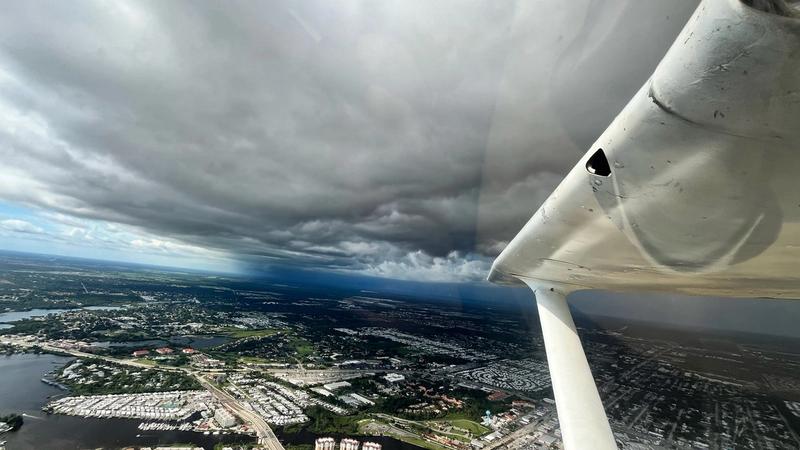
Is turbulence dangerous? Almost never for the aircraft. Here’s what’s really happening when the seatbelt sign comes on, explained by a pilot.

What do airlines actually ask in a pilot interview? Real questions, real process, straight from someone who experienced it first hand.
Why is every airplane window curved, never square? The real answer involves a 1950s jet, metal fatigue and a lesson the industry never forgot.
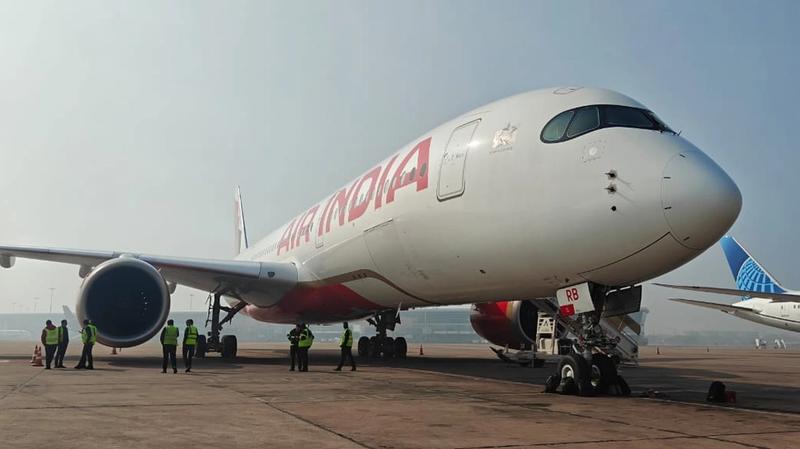
Air India’s Airbus A350-900 VT-JRB was grounded at Delhi after its right-hand engine ingested a baggage container while taxiing amid heavy fog and low-visibility conditions. Preliminary reports suggest damage to the engine cowling, with the engine core remaining intact. The incident is expected to result in flight cancellations, operational disruption, and an insurance claim, further straining Air India’s A350 availability.
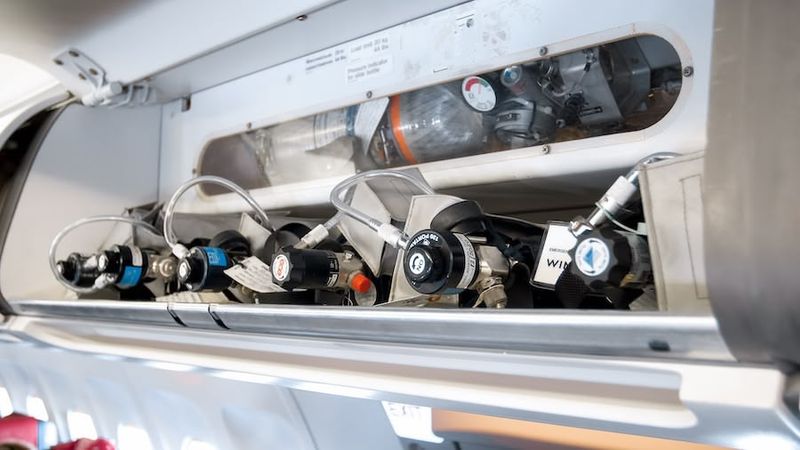
Ever wondered how you’re able to breathe comfortably at 35,000 feet? This article explains how aircraft pressurisation systems work, from bleed air and outflow valves to decompression procedures, a must-read for pilots and aviation enthusiasts.
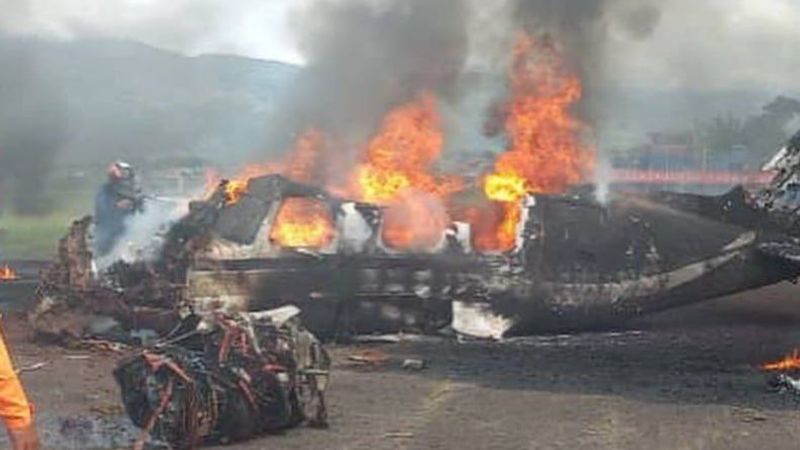
A tragic accident struck Paramillo Airport in Venezuela on October 22, when a light aircraft registered YV1443 crashed during a low-altitude maneuver, killing both occupants onboard. Witnesses reported that the pilot attempted a low turn to impress onlookers, which led to an aerodynamic stall and a fatal impact moments later. The incident has sparked discussions about flight safety and the dangers of performing risky maneuvers near the ground.
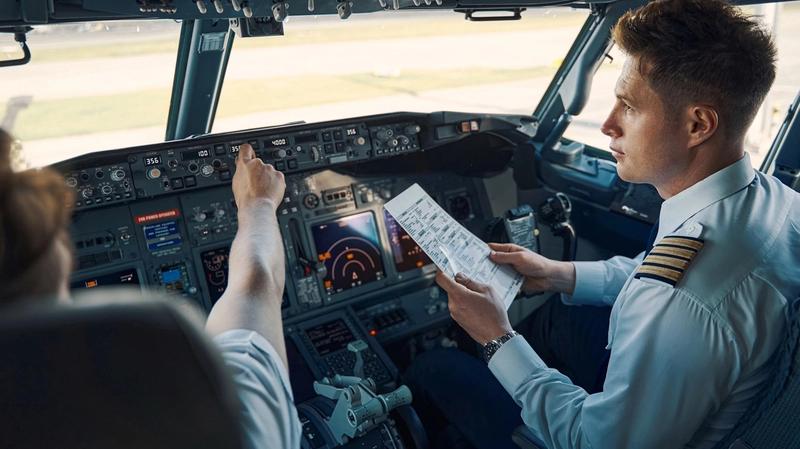
From DGCA exams to airline interviews: why rote learning won’t cut it. Learn how to unlearn exam habits and think like a line pilot.
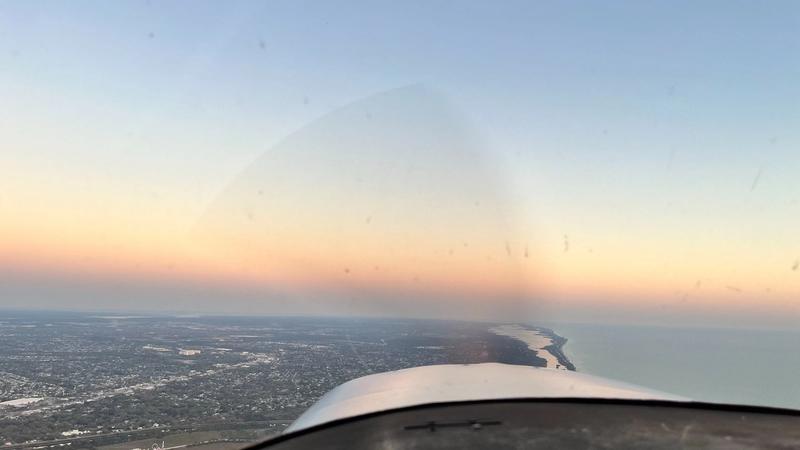
Step-by-step guide to converting your FAA Commercial Pilot License (CPL) into a DGCA-issued Indian CPL. Covers DGCA exams, RTR(A), required documents, conversion flying, eGCA uploads, timelines, and practical tips from a pilot who completed the process.
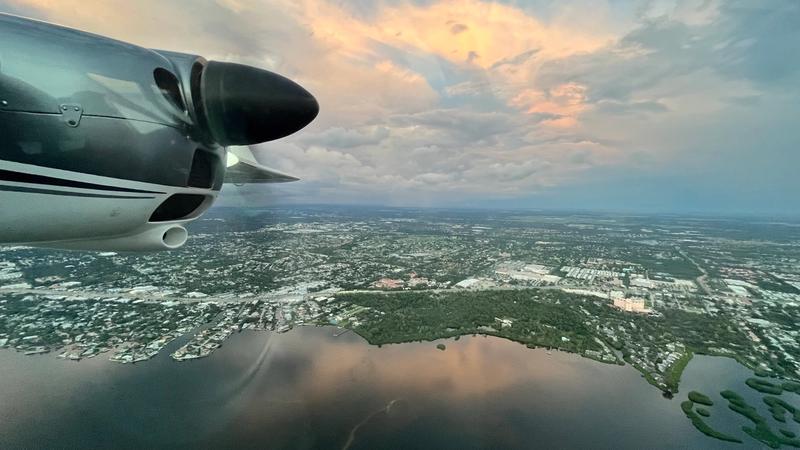
Just landed in the U.S. for pilot training? Here’s the full journey, the Do's and Dont's for a seamless experience from your first TSA approval to your final checkride.
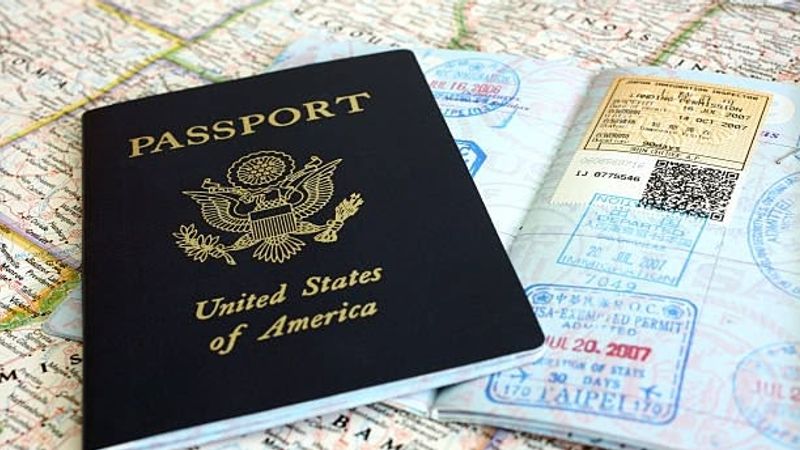
Planning to train as a pilot in the US? This straight-talking guide covers everything you need to know- M1 visa, TSA clearance, FAA medicals, housing, banking, and more. Just real steps from a pilot who has done it himself.
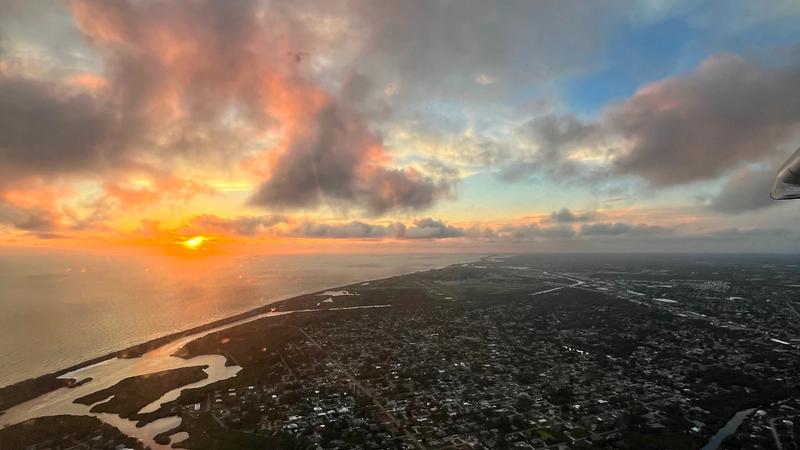
This in-depth guide compares flight training in the United States versus India, covering everything from cost and infrastructure to instructor quality, airspace exposure, license conversion, and career prospects. Whether you're an aspiring airline pilot deciding where to train or someone exploring aviation as a career, this article breaks down the pros and cons of each path based on real-world experience and operational realities.
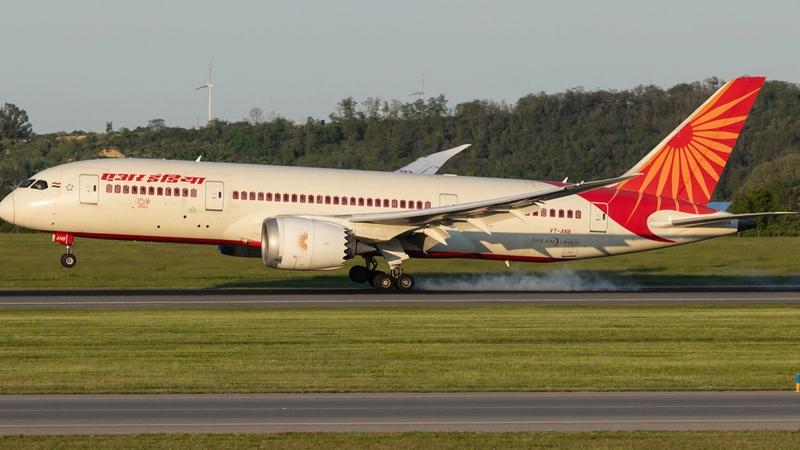
One month after the fatal crash of Air India Flight AI171, the Aircraft Accident Investigation Bureau has released its preliminary report. This article unpacks the key findings, timeline, crew and aircraft details and questions the report’s vague language and omissions. With both engines shutting down seconds after takeoff, and cockpit voice recordings raising more questions than answers, many aviation professionals are now wondering: is this a report, or a carefully worded cover-up?
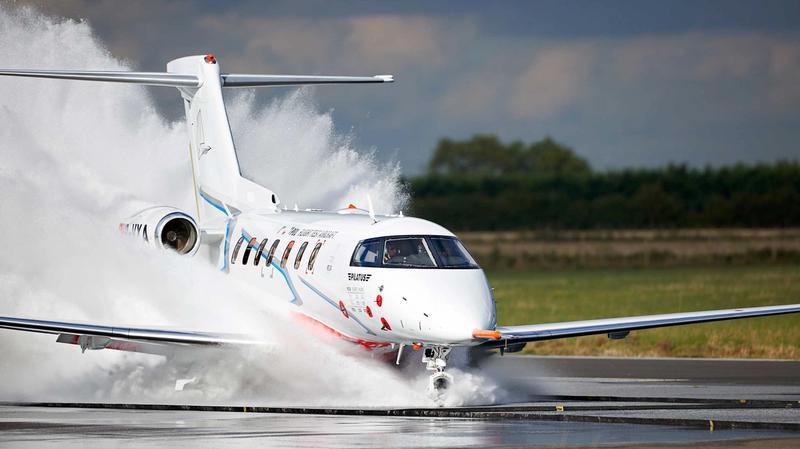
A clear and practical guide to understanding Runway Condition Codes (RWYCC), how they're reported, what each digit means, and why they matter in real-world flying. From runway contamination types to ATC communication and pilot decisions, this article breaks down how a single number can impact every phase of landing and takeoff.

They may look soft and silent, but high-level clouds carry the secrets of the sky. From icy Cirrus streaks hinting at approaching weather to the rare ripple-patterned Cirrocumulus, these clouds are more than just a pretty backdrop they’re flying signals for those who know how to read them. In this crisp, pilot-friendly guide, we climb into the upper troposphere to decode the most misunderstood layer of the atmosphere. If you’ve ever wondered what those feathery formations above FL200 really mean for your flight or your forecast this is where your cloud knowledge takes off. Buckle up, because this is just the beginning of our altitude-by-altitude cloud decoding series.

Volotea Flight V73511, an Airbus A319-100 registered EC-MTF with special “Maman, J’arrive!” livery, was involved in a security breach and suspected engine ingestion incident at Milan Bergamo Airport on July 8, 2025, resulting in airport closure and ongoing investigation.
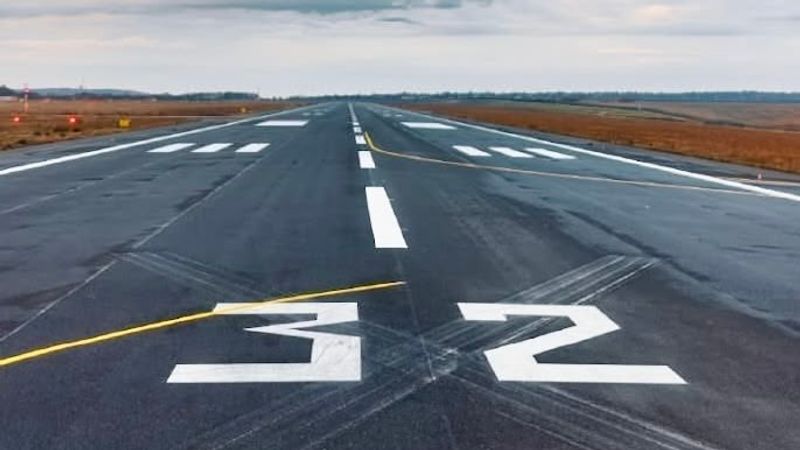
Ever wondered why runways aren’t just laid out in random directions or why they’re numbered the way they are? There’s a method behind the markings. From the invisible push of prevailing winds to the logic behind runway numbers, everything is calculated for safety and efficiency. In this piece, we break down why some runways seem "misnumbered," how wind dictates alignment, and the hidden design choices that shape every takeoff and landing.

Turbulence: What Every Pilot Thinks, Feels, and Needs to Know. We all know turbulence feels intense, but few truly understand what’s happening in the air when it hits. This isn’t a recycled textbook page or a dry ATPL note dump. It’s a sharp, down-to-earth dive into the real forces behind the bumps from mountain waves to wingtip vortices, jet streams to thermal updrafts. Written by a pilot, for pilots (and the aviation-curious), this piece blends experience with theory, visuals with hacks, and turns turbulence into more than just a discomfort, it becomes a skill to master. If you’ve ever wondered what turbulence really is or how to fly through it smarter this is where the learning actually begins.

Most aviation accidents happen on approach, often because the warning signs are missed. This piece breaks down the key red flags: unstable profiles, rushed descents, visual illusions, and mental traps. With real-world context like Paro Airport and a simple decision-making framework, it’s essential reading for any pilot flying into challenging airfields
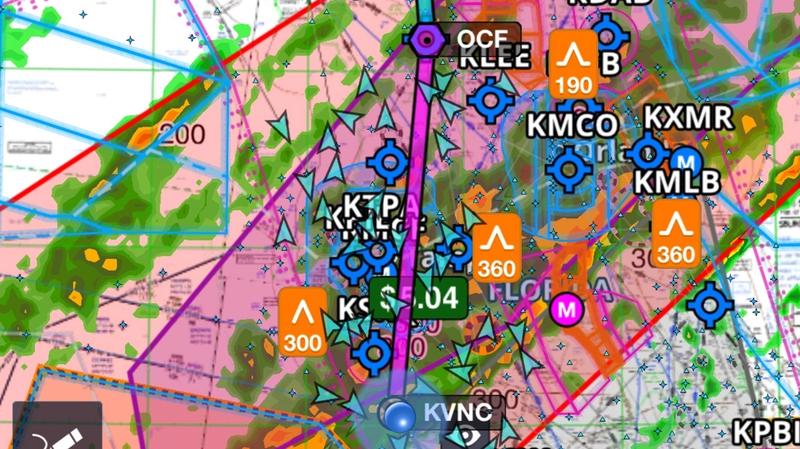
Most pilots can read a METAR, but using it effectively is another story. This guide cuts through the clutter to help you actually interpret METARs, SPECI, SIGMETs, and TRENDs, not just for exams, but for real flying. From spotting windshear risks to knowing when a CAVOK isn’t as perfect as it seems, this is the weather decoding skillset every serious pilot needs. Whether you're a student or in the right seat, it's time to move beyond memorization.

Microbursts are violent downdrafts that have brought down airliners and stunned pilots. Discover how they form, why they're deadly, and how you can spot and survive them.
Thousands of pilots with foreign addresses risk suspension as the FAA’s new U.S. Agent rule takes effect. Here's what every FAA certificate holder abroad must know before the July 7, 2025 deadline. Missing this update could cost you your license.

From Class 2 to Class 1, DGCA medicals aren’t just formalities,they’re your boarding pass to the cockpit. This guide breaks down everything: when to apply, how to prepare, what tests to expect, and how medicals shape your flying journey. We cover renewals, reinitials, over-40 changes, and common slip-ups that could delay your career. Read this before ground school.
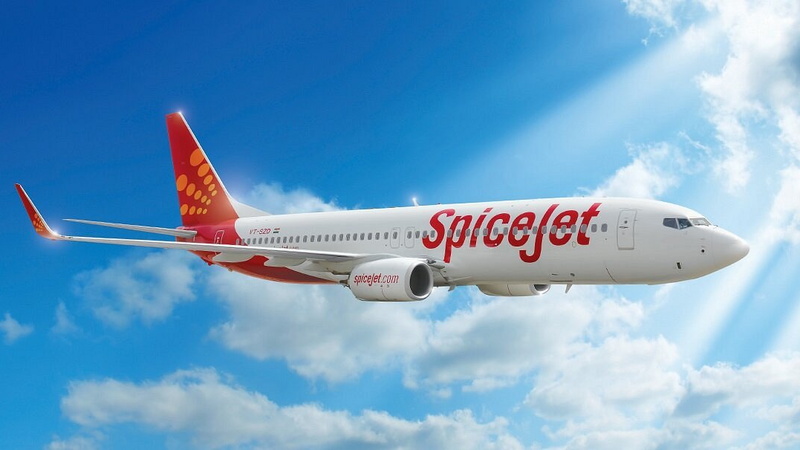
SpiceJet kickstarts fleet revival with two overhauled engines from StandardAero, aiming to return grounded aircraft to service through a structured engine maintenance plan.
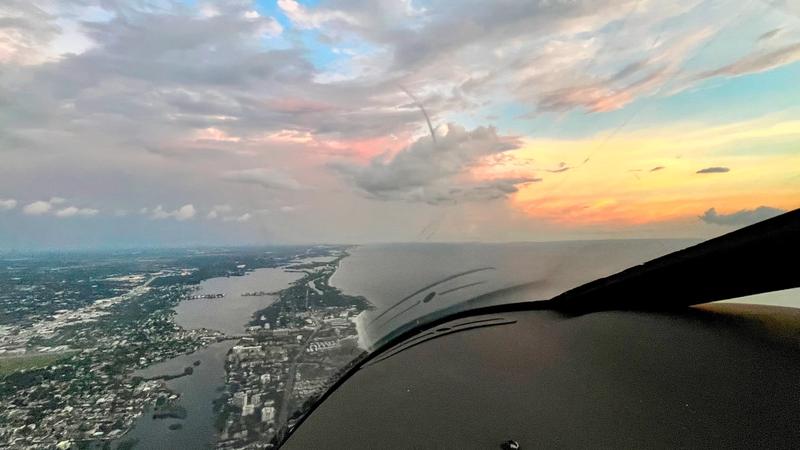
The Indian monsoon isn’t just rain,it’s one of the most unpredictable flying seasons out there. Whether you're studying or flying the line, knowing how it works can mean the difference between control and chaos. From CBs to hydroplaning, ITCZ shifts to tropical jetstreams, this guide covers the science, threats, and cockpit tactics every pilot needs. Monsoon flying isn’t just weather,it’s a skill.

For years, RTR(A) was every pilot’s nightmare, confusing, corrupt, and unpredictable. But from December 2025, DGCA takes over, promising a cleaner, fairer exam. Why was it so dreaded? What’s changing? And what does it mean for future pilots? Here's the short version of a long-overdue fix.
Qantas confirms a cyber incident affecting customer data through a third-party contact centre. Airline operations remain unaffected. Investigation and support efforts are underway.

India’s first big seaplane airline is here, SkyHop Aviation is gearing up to fly where no one else can. With rugged Twin Otters that land on water and land, they're targeting remote islands, coastal villages, and hill towns that regular airlines can’t touch. No airports? No problem. Backed by new DGCA reforms, SkyHop could transform tourism, emergency access, and regional travel in India. Is this the future of Indian aviation? Here's what you need to know →
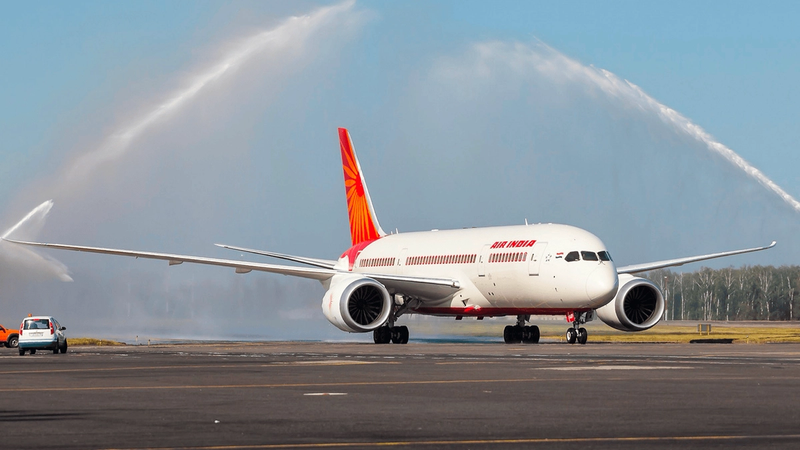
"Air India has at least nine Boeing 787 Dreamliners currently grounded. This article outlines the current status, locations, and operational impact of these grounded wide-body jets."
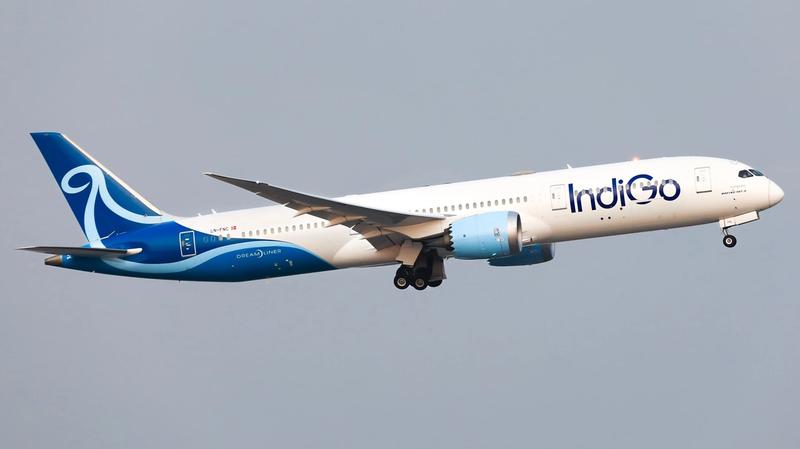
IndiGo just went long-haul. On July 1, it launched its first widebody flight from Mumbai to Manchester using a leased Boeing 787 Dreamliner, marking a bold shift from domestic LCC to global contender. Amsterdam service kicks off next. Hot meals, seatback screens, and 56 “Stretch” seats, this isn’t your usual IndiGo. CEO Pieter Elbers calls it a major milestone, with more 787s and even A350s in the pipeline. Is IndiGo about to rewrite the rules of low-cost international travel? Read here