Boeing 737 Flows: Why They Work and How to Learn Them Fast
Why 737 flows follow the panel, not importance, why they hold up under stress and how type-rating students can drill them properly before the sim.

Published Oct 20, 2026
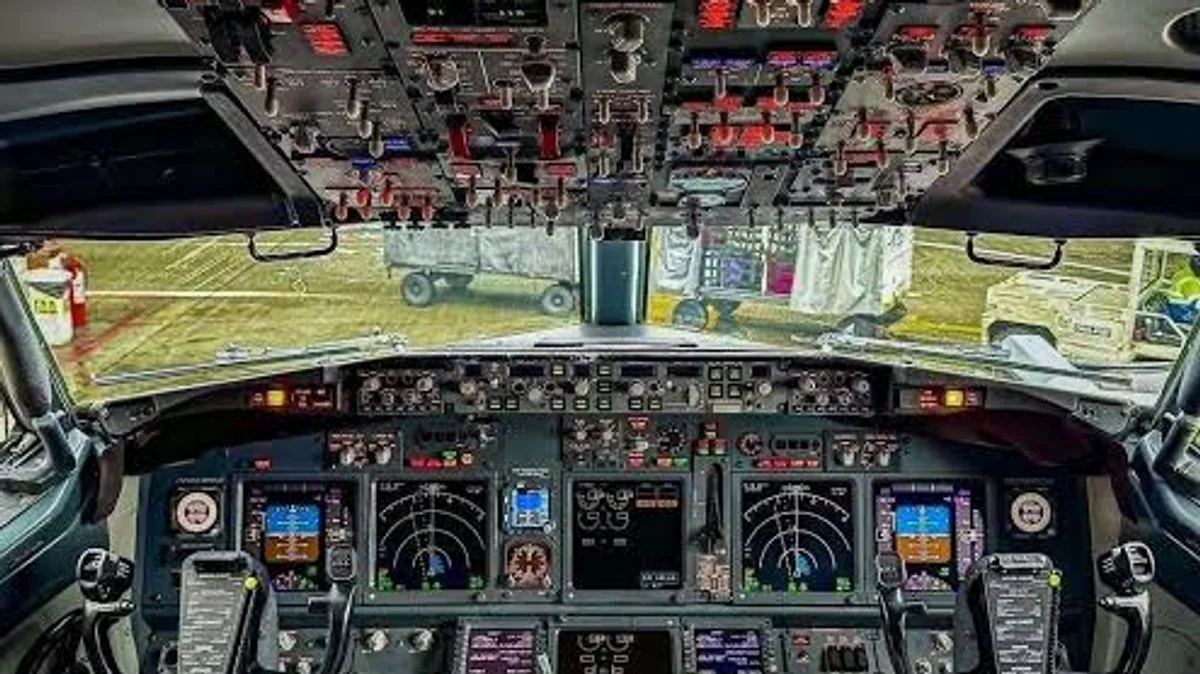
On 5 September 2005, a Mandala Airlines 737-200 started its takeoff roll at Medan with the flaps and slats still retracted. It never climbed away. Two crew members, a full checklist and an aircraft they'd flown into Medan that same morning and the single most basic configuration item got missed.
That's the problem flows and checklists exist to solve together. Every 737 type-rating student hears the same instruction early on: "learn your flows." What follows is weeks of pointing at switches, panels and levers in a fixed sequence until it becomes automatic. Most training material tells you what the flow is. Almost none of it explains why it's built the way it is and the why is what makes it stick when you're tired, stressed or interrupted halfway through.
What a flow actually is
A flow is a fixed physical path your hands and eyes take across the cockpit to configure or check the aircraft, done from memory instead of reading a list line by line. The 737 preflight flow is the classic example: the same path around the panels, every item touched or checked in the same order, every single time, whatever the tail number or route.
The checklist comes after. Boeing's own wording in the 737 QRH is blunt: the normal checklist "is used to verify that critical items have been done" and it's run "after doing all respective procedural items." That's the do-verify philosophy. You configure from memory, then the checklist confirms the items that would really hurt you if missed. It's also why the checklist is short. It isn't meant to cover everything, only the critical stuff. Treat it as your primary way of setting up the aircraft and you'll be slower, more error-prone and the first to fall apart under time pressure.
Compare that to a C-152 or 172, where most of us learned on read-do checklists: read an item, do the item. On a cockpit that small, that works fine. On a 737, with an overhead panel, forward panels, pedestal and FMC to set up, reading and doing every line would be painfully slow and would miss the point. The flow does the work. The checklist catches what the flow missed.
Why the sequence is geographic, not logical
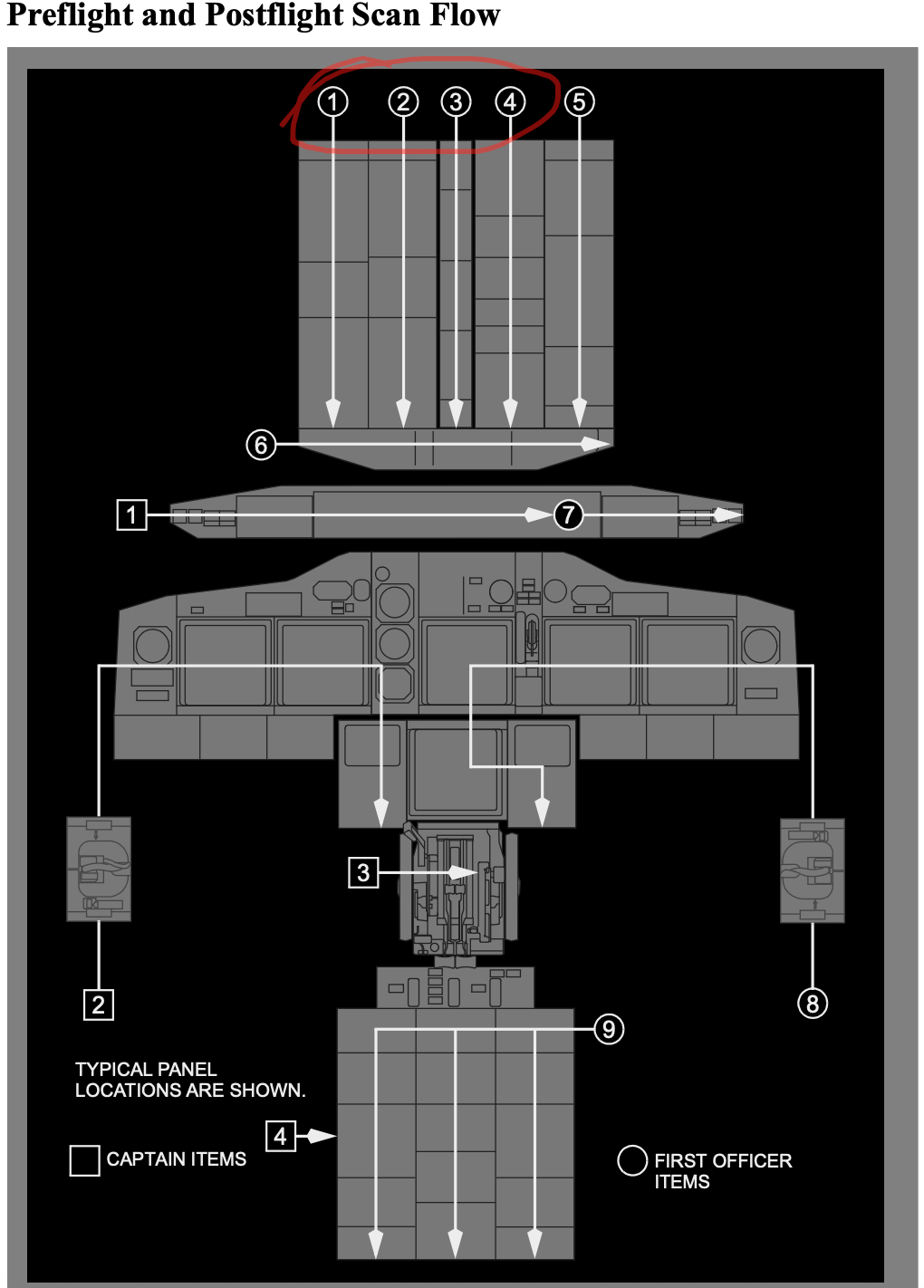
New students often expect flows to be ordered by importance, the most critical system first. They aren't. They're ordered by location, a consistent path across each panel that the manufacturer or operator chose and that never changes.
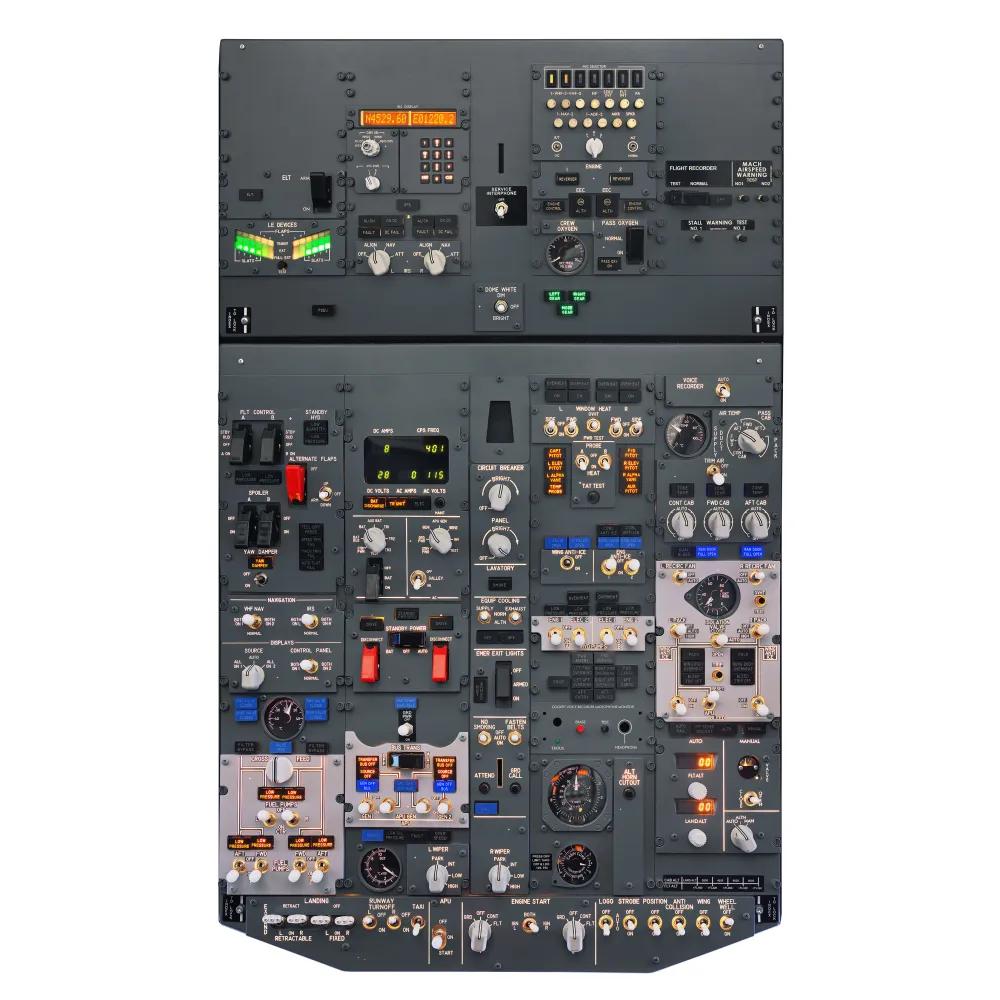
Here's the thing: what a flow really protects against is the skipped item. A consistent geographic path means your hand can't jump over a switch without your eyes noticing a gap in the pattern. Order it by importance instead and you'd be hopping around the panel and it becomes very easy to miss something in between because nothing spatial tells you it was skipped. The boring, same-path-every-time nature of a flow is the safety feature.
Boring is safe.
Why flows survive stress and fatigue when memorized lists don't
A list you recall consciously lives in working memory, the part of your brain that overloads first when something goes wrong.
A physical path built through repetition lives somewhere else: procedural memory, the same system that lets you ride a bicycle or type without looking at the keys. It holds up far better under stress and fatigue than consciously recalled facts. That's why flows are trained as movements, not lists.
With adrenaline running and attention split three ways, your procedural memory is far more reliable than your working memory. It's also why emergency memory items are drilled the same physical, repetitive way (more on those in a separate article). The moment you need them most is the moment your working memory is least reliable.
Where flows fail
Flows have a weakness too and it's the flip side of their strength. Once a flow is truly automatic, your hand can move across the panel while your brain is somewhere else. You touch the switch, you look at it and you still don't register what it's showing. Pilots call it looking without seeing.
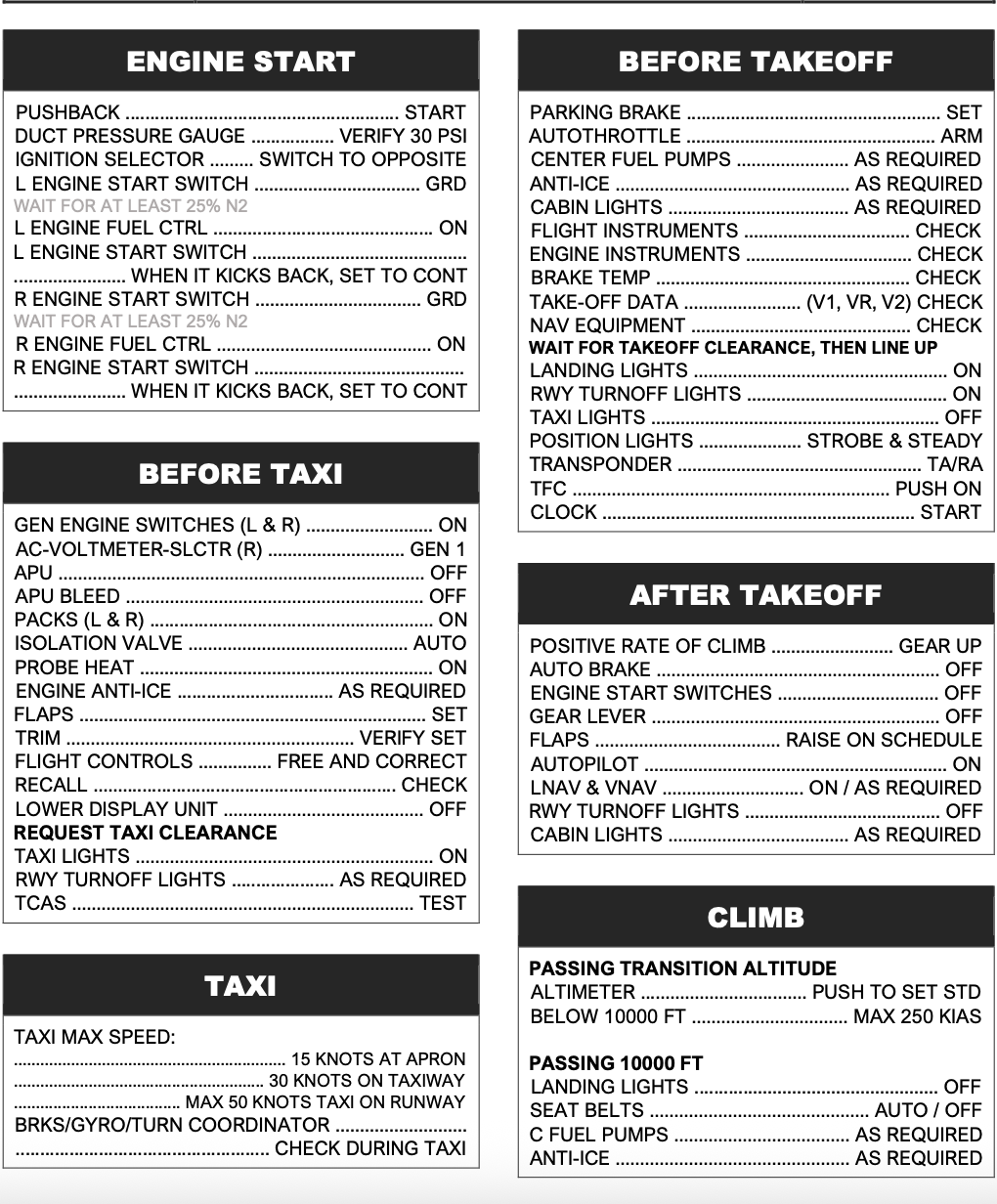
That's why the checklist isn't optional and why one pilot reads it while both verify each item. The flow gets the aircraft configured fast. The checklist forces a deliberate, conscious second look at the items that matter most. Neither layer is enough on its own. Medan is what it looks like when both are defeated.
Why interruption recovery matters more than speed
A good flow isn't just about doing it right the first time. It's about picking it up cleanly after an interruption and cockpits get interrupted constantly: a radio call, a question from the cabin, an ATC change halfway through.
A flow learned as numbered steps is hard to resume, because nothing tells you where you stopped. A flow learned as a geographic path solves that. You re-anchor to wherever your hand is on the panel and continue from there instead of trying to reconstruct which step you were on. And if you're genuinely unsure, the rule is simple: go back to the start of that panel and run it again. This is why instructors insist on the exact same path every single time, even when it feels rigid. The rigidity is what makes the flow interruption-proof.
How to actually learn them
- Learn your operator's flows, not YouTube's. Boeing's FCOM gives a baseline, but airlines tailor flows and the Captain/First Officer split in their SOPs. Drill the version you'll be checked on.
- Learn areas of responsibility first. Know which panels belong to which seat before you learn the order inside them. The structure makes the detail easier.
- Use a paper tiger. A printed cockpit poster at home lets you run flows daily without sim time. Point, touch and say each item out loud; hands, eyes and voice together build the pattern faster than silent reading.
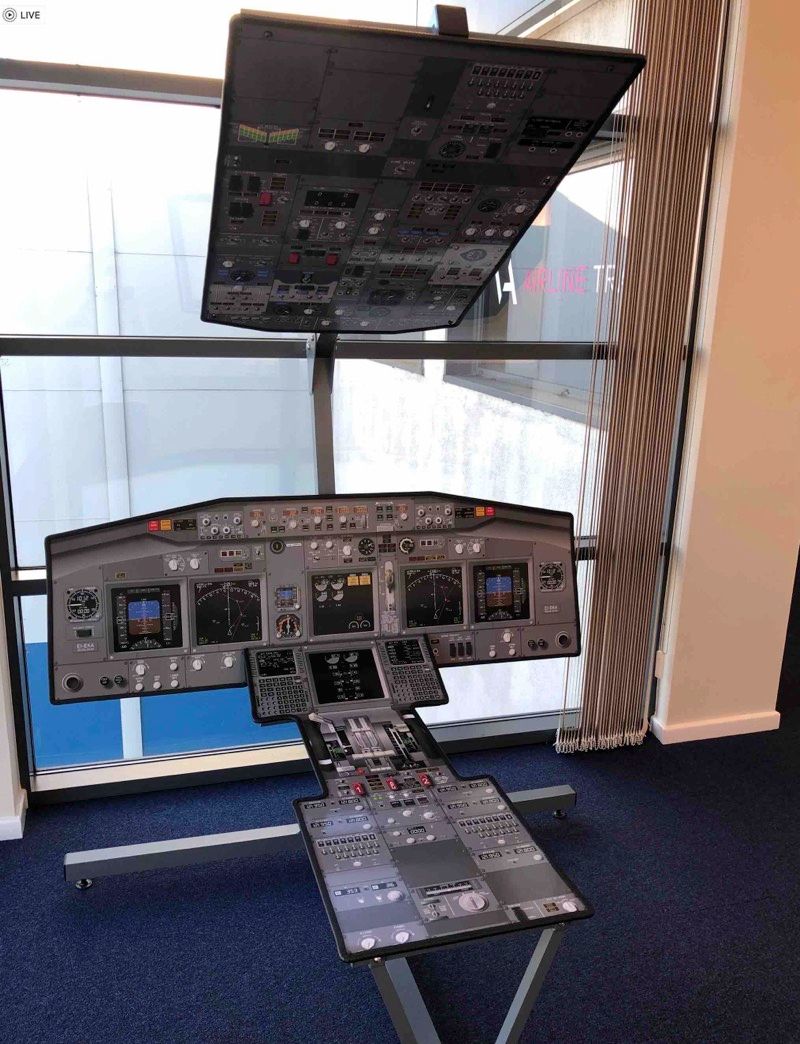
- Chair-fly the whole sequence. Flow, then call for the checklist, then run it. Train the habit of verifying, not just the flow.
- Practise being interrupted. Get someone to cut in mid-flow, then recover by re-anchoring to the panel. That's the skill you'll actually use on the line.
- Slow and correct beats fast and sloppy. Speed comes on its own. A wrong pattern drilled fast is just a fast wrong pattern.
The takeaway
If drilling 737 flows feels slow, repetitive and almost mindless, that's the point. You're building a physical pattern strong enough to survive fatigue, stress and interruption and then backing it up with a checklist that catches what the pattern misses. That's what separates the student who has internalized the flow from the one who has only memorized it and only one of them holds up on a bad day.