India–EU FTA Explained Misconceptions on Cars, Prices and Timelines
Clarifying key misconceptions 9bursting your bubble) about the India–EU Free Trade Agreement and its impact on European cars in India, pricing, tariffs, timelines, and currency effects.

Published Jan 28, 2026
Watch Road Tests on 6Pistons YouTube
Exhaust sound clips, dynamic track tests, and drag races produced by our team.
The India–European Union Free Trade Agreement has been announced, debated, misunderstood, screenshotted, misquoted, and aggressively explained by people whose closest interaction with trade policy is arguing about road tax on Instagram.
After nearly two decades of negotiations, India and the EU have finalised a trade pact that could reshape how goods, including cars, move between the two economies. Policymakers have called it the “mother of all deals”, which immediately triggered a familiar response online: excitement, confusion, and absolute certainty from people who have read precisely half a headline.
Scroll through social media and you’d think European luxury cars are about to go on a clearance sale. Big German SUVs for the price of a mid-size sedan. Italian exotica suddenly within “EMI territory”. The problem? Reality didn’t get the memo. Unfortunately for the comment section, reality remains stubbornly boring.
Let’s talk about what the India–EU FTA actually does, and more importantly, what it very much does not.
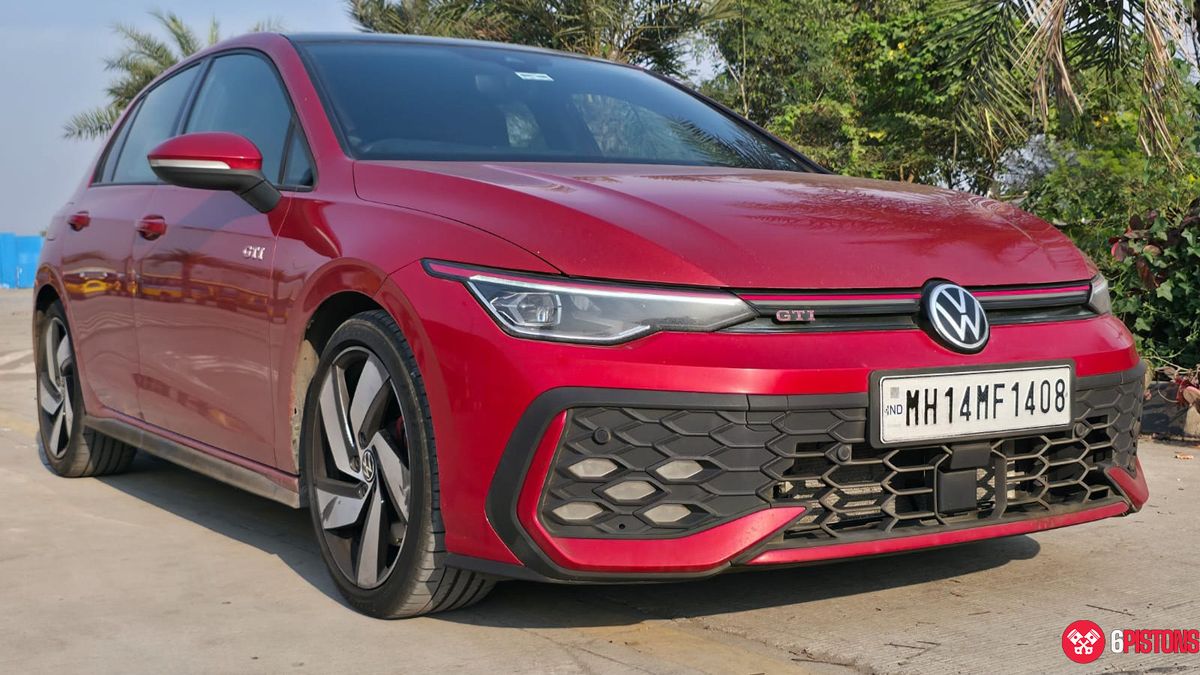
Myth 1: European Cars Will Become Cheap Immediately
This is the main event. The big fantasy. The idea that the moment the FTA is implemented, luxury European cars will suddenly be affordable.
They will not.
What the agreement introduces is phased tariff reduction under a quota system. Not a bonfire of import duties. Not a flash sale. Not a “congratulations, you waited long enough” moment.
Currently, fully imported European cars attract duties that can exceed 100 percent. Under the FTA framework, these duties will be reduced gradually. Initial cuts could bring tariffs down to roughly 30 to 40 percent once the agreement actually becomes operational. Over a period that could stretch five years or more, duties may reduce further towards 10 percent, but only within a capped annual quota of around 250,000 vehicles.
Miss the quota and you are right back where you started, paying full duties and wondering why your spreadsheet did not work.
Even within the quota, prices do not magically collapse. GST still exists. Cess still exists. Registration fees still exist. Dealer margins definitely still exist. The idea that a Rs 1 crore car will suddenly become “reasonable” is optimistic in the way only the internet can be.
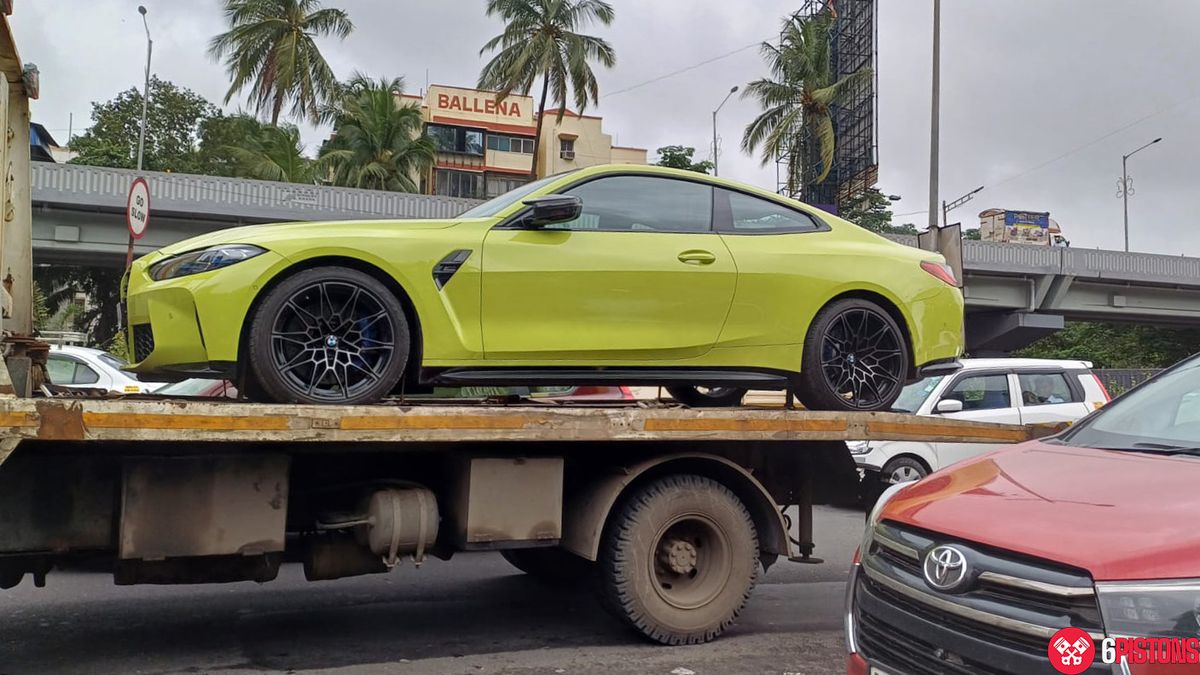
Myth 2: Automakers Will Be Forced to Pass on the Savings
This assumption is based on a charming belief that global car companies operate like government ration shops.
They do not.
Lower import duties do not come with a legal requirement to reduce prices. They offer flexibility. What manufacturers do with that flexibility is entirely their decision.
Pricing depends on production costs, localisation strategies, brand positioning, dealer margins, logistics, and currency movement. Luxury brands like Mercedes-Benz and BMW have already made it clear that they are not lining up to slash prices.
Most of the cars these brands sell in India are already assembled locally using CKD kits. These cars already attract lower duties than fully imported units. For them, the FTA does not suddenly unlock hidden discounts waiting to be passed on to you.
If anything, brands may use any savings to protect margins, absorb other cost increases, or quietly upgrade features while keeping prices exactly where they are.
Which is corporate behaviour, not villainy.
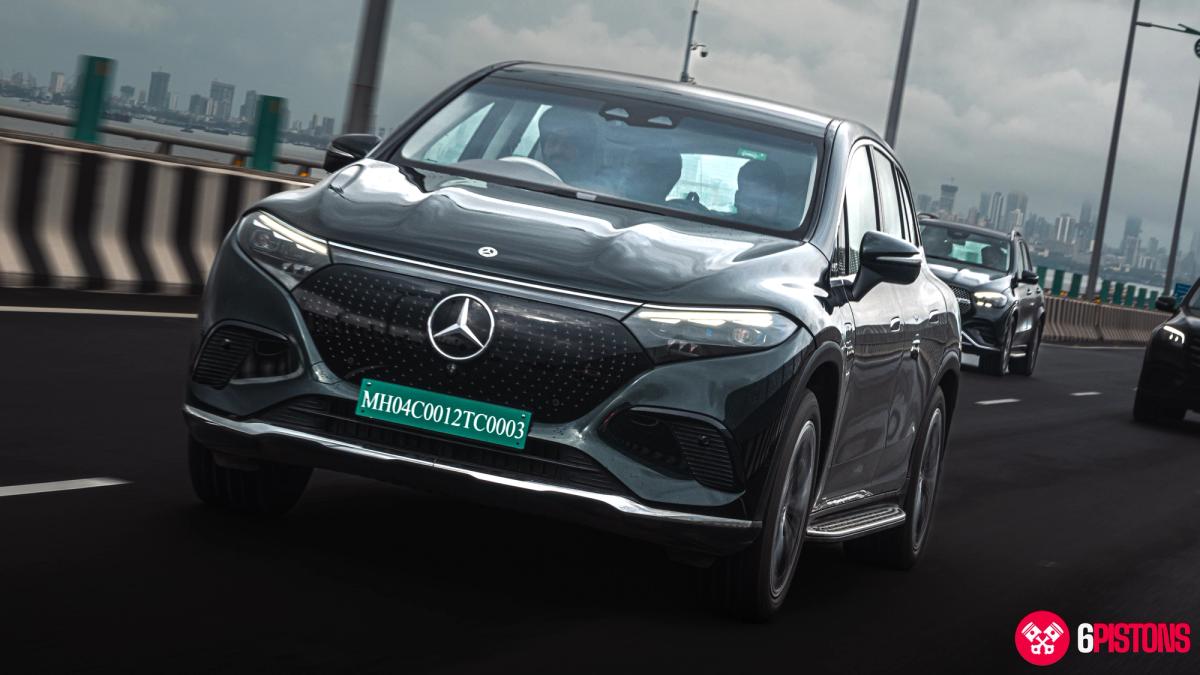
Myth 3: The FTA Starts Working in 2026
This one is less aggressive and more innocent, but it is still wrong.
Trade agreements do not work like app updates. Just because the announcement is out does not mean the benefits are live.
The India–EU FTA still needs ratification and legal approval across India and multiple EU member states. That takes time. Realistically, meaningful implementation is unlikely before 2027 or even 2028.
And even when it does kick in, early phases are conservative by design. Deep tariff cuts come later, slowly, and carefully.
So if your financial plan involves waiting for 2026 to buy a discounted European luxury car, you may want to revise the plan or lower expectations or both.
Myth 4: Every Car, Including EVs, Benefits Equally
This myth refuses to die.
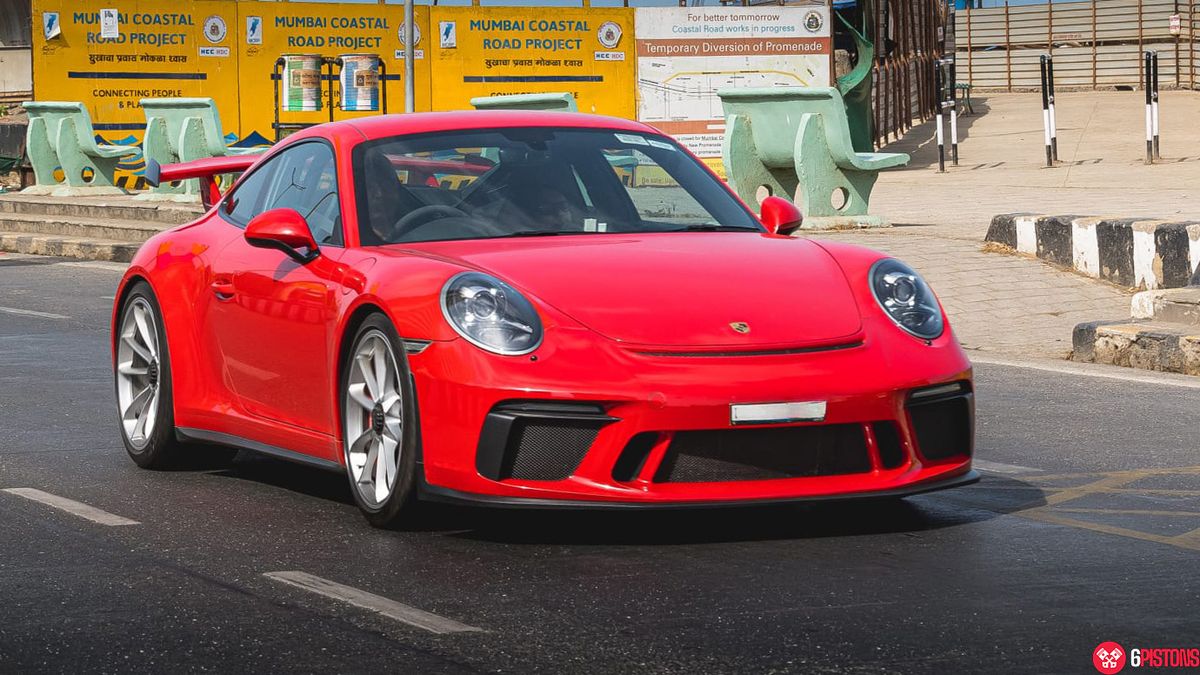
Only fully imported cars within the quota benefit meaningfully. Locally assembled cars already operate under lower duty structures and will see limited change.
Electric vehicles are largely excluded from tariff reductions for at least the first five years. This is intentional. India is protecting its domestic EV ecosystem, not accidentally forgetting about it.
So no, the FTA does not suddenly make European EVs cheap. It does not undermine local manufacturers overnight. And it does not turn the Indian car market into a free-for-all.
What it does is very selective and very controlled.
Myth 5: Currency Does Not Matter
This is where most internet theories quietly fall apart.
Even if tariffs fall exactly as planned, a weakening rupee against the euro can erase those gains instantly. We have already seen this happen. Currency depreciation has forced European brands to raise prices despite no major policy changes.
If the rupee continues to weaken, lower tariffs may simply allow brands to hold prices steady rather than reduce them.
So yes, trade policy matters. But exchange rates have a habit of ruining neat theories.
What the FTA Actually Does Right
Now for the part that gets drowned out by noise.
The India–EU FTA is not pointless. It is just long-term.
It gives manufacturers predictability. It allows brands to plan portfolios better. It may encourage niche and performance models to enter the market. It lowers duties on components over time, which helps Indian manufacturers. It improves export access for Indian auto suppliers.
These are structural benefits. Not instant gratification.
Think less “discount weekend” and more “slow but meaningful rewire of the system”.
The Bottom Line
The India–EU FTA is not a shortcut to cheaper cars. It is a gradual recalibration of trade policy.
European cars will not become cheap overnight. Automakers are not obligated to pass on savings. Implementation will take years. Local assembly and EV exclusions limit early impact. Currency volatility can undo theoretical gains.
If you were hoping for a revolution, you will be disappointed. If you understand that this is a long game, the deal starts to make sense.
Less drama. More reality.
Continue Reading

New Škoda Kushaq Unveiled | Here’s What’s Changed
Škoda Auto India unveils the new Kushaq with updated design, segment-first 8-speed automatic, enhanced safety and new features. Bookings open.
MH 58: Which City Received the 10th RTO?
With already 9 RTOs in Mumbai, the introduction of the 10th one has lead to only question - the MH58 RTO belongs to which location?